



Global eCommerce fraud is projected to grow from $44.3 billion in 2024 to more than $107 billion by 2029, a 141% increase in five years.
At the same time, AI adoption in customer support is accelerating. Automation is improving response times, increasing ticket capacity and enhancing personalisation.
Fraud is rising.
Automation is rising.
Customer expectations are rising.
The challenge is not choosing between risk control and customer experience. It is designing support operations that can handle both.
Fraud Is Showing Up in the Support Queue
Fraud used to sit mainly within payments and risk teams. Now it appears directly in customer conversations:
- Refund and chargeback disputes
- Account takeover claims
- Subscription abuse
- Bank detail or payout changes
- “I didn’t authorise this” tickets
Each of these carries financial exposure.
The operational cost goes beyond the transaction itself. Businesses often face:
- Chargeback fees
- Increased payment processing scrutiny
- Additional operational workload
- Reputational damage
- Higher agent handling times
In many organisations, support becomes the final decision layer before money moves.
When workflows are informal, inconsistency creeps in.
Inconsistency increases exposure.
AI Is Increasing Complexity… and Opportunity
AI is enabling fraudsters to scale tactics such as credential testing and social engineering. But it is also giving organisations better tools:
- Intent detection
- Behavioural anomaly signals
- Automated ticket classification
- Risk scoring integration
The real differentiator is not whether AI is used. It is whether the operational design behind it is mature.
Automation without structure increases risk.
Automation with structured workflows strengthens control.
Zendesk’s Platform Supports Secure, Compliant Decision-Making
Zendesk strength is in supporting structured, secure decision-making where customer interactions and risk signals converge.
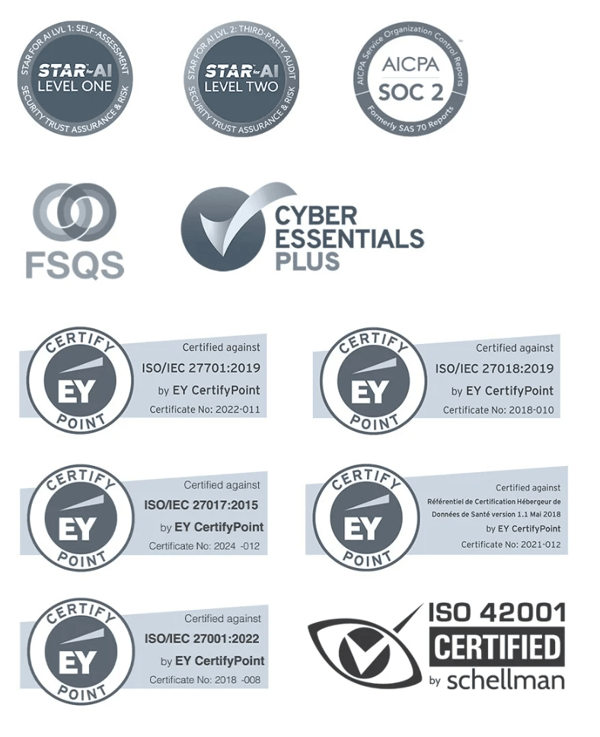
That confidence is backed by recognised industry standards. Zendesk maintains multiple certifications for information security, privacy and AI governance, reflecting its commitment to protecting customer data and meeting regulatory expectations. These include ISO 27001:2013 (information security), ISO 27018:2014 (protection of personal data in cloud environments), ISO 27701:2019 (privacy information management) and ISO 42001 for AI management systems. Zendesk also undergoes SOC 2 Type II audits and adheres to other security frameworks, which enterprise buyers often require as part of vendor risk assessments.
Rather than trying to detect fraud itself, Zendesk connects with specialised fraud and risk tools and brings context into the support workflow.
Zendesk is where:
- Refunds are approved
- Accounts are unlocked
- Payouts are updated
- Disputes are resolved
When Zendesk is configured strategically, it becomes the operational control layer between fraud detection systems and customer interaction.
This typically includes:
- Surfacing fraud risk scores directly in tickets
- Tagging and segmenting suspected fraud cases
- Routing higher-risk tickets to specialist groups
- Applying mandatory verification steps
- Tracking fraud-related ticket trends over time
Without this structure, agents rely heavily on judgement. With it, decisions are consistent, auditable and faster.
Where Many Organisations Struggle
Across retail, SaaS and financial services environments, we regularly see:
- Risk signals not visible inside Zendesk
- Refund workflows handled inconsistently
- No clear separation between standard and high-risk queues
- Limited reporting on fraud-related tickets
- Macros that prioritise speed but lack verification control
These setups often evolve naturally during growth.
As ticket volumes increase, small gaps become material risks.
Fraud Prevention in Zendesk Requires Design, Not Just Configuration
Adding a field called “fraud risk” is not enough.
Effective fraud prevention inside customer support requires:
1. Clear Segmentation
Define which ticket types require enhanced scrutiny and route them accordingly.
2. Contextual Visibility
Ensure risk scores, dispute history and relevant signals are visible at the agent level.
3. Controlled Verification
Standardise identity checks, account access processes and payout changes.
4. Actionable Reporting
Track fraud-related tickets separately to monitor trends, approval rates and exposure.
This is not about slowing agents down. It is about removing ambiguity.
Premium Plus Perspective
At Premium Plus, we do not treat fraud as a separate technology problem. We treat it as a workflow challenge inside Zendesk.
As a Zendesk Premier Partner, we work with organisations to:
- Audit existing Zendesk configurations
- Identify gaps in fraud-related support processes
- Integrate fraud and payment tools into the agent interface
- Design structured routing and escalation models
- Build reporting frameworks that give leadership clear visibility
- Train teams on consistent verification standards
What makes the difference is not adding more tools. It is ensuring your Zendesk environment reflects how risk decisions actually happen.
In several environments we’ve reviewed, simple structural changes (such as separating high-risk refund tickets into a dedicated queue or surfacing payment risk scores inside the ticket) have reduced exposure without increasing resolution time.
Fraud prevention and customer experience do not need to compete.
Building Support Operations That Scale Safely
As AI adoption increases, ticket volumes grow and service expectations rise, operational maturity becomes essential.
Fraud resilience in customer support depends on:
- Visibility
- Segmentation
- Consistency
- Measurability
When these foundations are in place, automation strengthens performance rather than introducing risk.
If you are reviewing your Zendesk setup (or unsure how fraud-related tickets are currently handled) a structured assessment can reveal whether your workflows are built for today’s level of complexity.
At Premium Plus, we specialise in designing Zendesk environments that balance control with efficiency.
Because preventing fraud in customer support is not about adding friction.
It is about building clarity into the workflow.